
How-to-choose-a-bulk-office-furniture-supplier
May 08, 2026
News
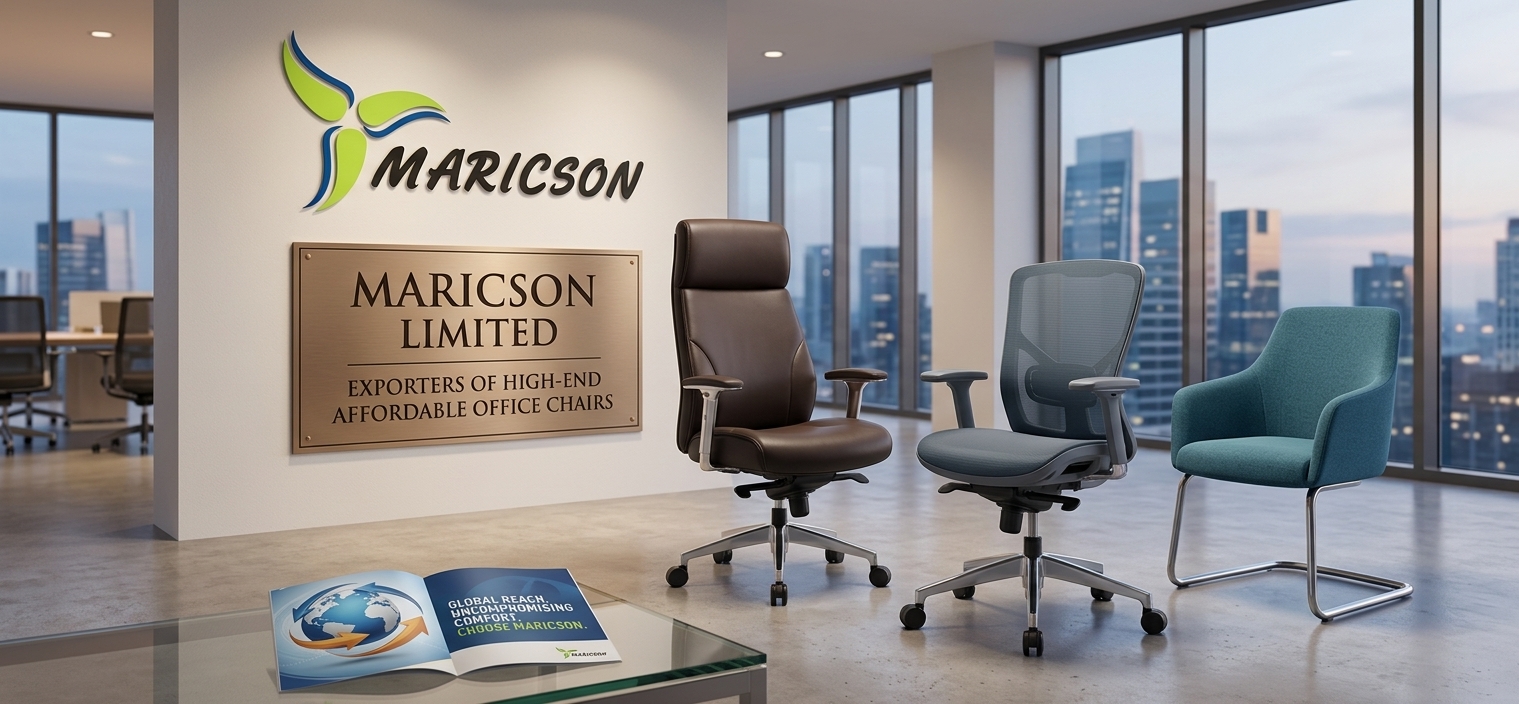
Outfitting 50 workstations is one task. Furnishing an entire office with executive desks, meeting rooms, reception areas, storage, and lounge zones is a different level of procurement. When the scope expands, choosing the right bulk office furniture supplier becomes less about unit pricing and more about execution, consistency, and the ability to support a complete workplace.
For commercial buyers, the real challenge is coordination. You need furniture that works across departments, reflects your brand standards, meets ergonomic needs, and arrives on schedule. If the supplier cannot manage customization, production capacity, delivery planning, and installation support, even a well-priced quote can turn into a costly delay.
What a bulk office furniture supplier should actually provide
A qualified bulk office furniture supplier should offer more than a product catalog. Commercial projects require a partner that can support planning, specification alignment, quantity consistency, and after-order coordination. That is especially true when furnishing multiple zones in one project or delivering across different locations.
In practice, that means the supplier should be able to cover core categories such as office desks, modular workstations, ergonomic task seating, conference tables, reception furniture, storage systems, and collaborative or lounge seating. A fragmented supply chain often creates mismatched finishes, inconsistent lead times, and avoidable communication gaps.
A capable supplier also understands that offices are not furnished in isolation. Workspaces have traffic flow, power access, departmental adjacencies, privacy requirements, and brand presentation goals. Furniture decisions need to support all of them.
## Start with project scope, not products
Many buyers begin by requesting desks and chairs, then realize later that they still need meeting room tables, pedestal storage, [reception counters](https://maricson.com/uk/blog/how-bespoke-office-reception-desks-reinforce-your-brand-identity-and-impress-visitors), and breakout seating. That approach often leads to piecemeal purchasing and uneven results.
A better starting point is the full project scope. Define how many people the office needs to support, which zones are included, what level of customization is required, and whether the project is a single-site fit-out, a phased rollout, or an international shipment. Once that scope is clear, it becomes easier to evaluate whether a supplier can realistically support the project.
This is also where budget discussions become more useful. A commercial buyer does not just need the lowest per-unit cost. The more relevant question is what total value the supplier can provide across manufacturing quality, layout flexibility, finish consistency, shipping coordination, and post-order service.
How to evaluate a bulk office furniture supplier
A supplier may look capable on paper and still struggle in production or logistics. Commercial procurement teams need to assess operational strength, not just product variety.
Manufacturing consistency is one of the first indicators. In large-volume orders, small differences become visible quickly. Drawer alignment, laminate finish, edge detailing, upholstery quality, and chair mechanisms all need to remain consistent across the order. If quality varies by batch, the office will look unfinished even when every item technically arrives.
Customization capability is another major factor. Standard products work for some projects, but many business environments need modified dimensions, material selections, storage configurations, or brand-aligned colors. Not every supplier can adapt products without disrupting lead times or compromising quality. That is where experience in project-based manufacturing matters.
Lead time reliability deserves close attention. A supplier should be able to explain production schedules, order sequencing, and shipping timelines in practical terms. General promises are not enough. For office openings, relocations, and expansion projects, timing affects everything from lease coordination to employee onboarding.
Service support matters just as much as product supply. Commercial buyers often need quotation support, finish matching, layout input, packaging coordination, installation planning, and export documentation. If these functions are handled poorly, the procurement burden shifts back onto your internal team.
Why customization often determines project success
Bulk buying does not always mean buying standard. In many office projects, the fastest way to create a functional and consistent result is to work with a supplier that can tailor products to the space.
That may include adjusting workstation dimensions for floorplate efficiency, choosing fabrics and surface finishes that align with a brand palette, specifying storage for different departments, or selecting seating based on user needs and duration of use. Executive offices, open-plan work areas, touchdown spaces, and client-facing zones rarely require the same furniture logic.
Customization also helps solve practical site constraints. Ceiling columns, irregular floor plans, circulation paths, and power access can all affect furniture placement. A supplier with workspace planning experience can help avoid layouts that look acceptable in drawings but fail in real use.
For buyers managing international or multi-market projects, customization can also support regional expectations. Material preferences, workspace densities, and style requirements may differ by client or destination. A supplier that can adapt while maintaining a cohesive commercial standard brings real value.
Quality, ergonomics, and durability are commercial issues
Office furniture is not a decorative purchase. It is part of the working infrastructure of the business. That is why quality and ergonomics should be evaluated as operational concerns rather than optional upgrades.
Desks and storage systems need to withstand daily use, relocation, cleaning, and long-term occupancy. Seating must support comfort over extended work periods, particularly in task-focused environments. Conference and collaborative furniture should balance visual presentation with practical durability.
Poor-quality furniture usually becomes expensive in stages. First come complaints about comfort or function. Then maintenance issues appear, followed by replacement costs, mismatched additions, and lost time. Buying at scale magnifies that risk.
Ergonomics deserves equal attention. For teams spending long hours at workstations, chair adjustability, desk proportions, and workstation configuration affect comfort and productivity. A supplier that understands office use patterns can recommend solutions that fit the working environment instead of simply offering whatever is most commonly sold.
Logistics can make or break the order
For large office projects, logistics are rarely a back-office detail. They are part of the core buying decision. A supplier may offer excellent products and still fail to deliver a smooth project if shipping, packaging, scheduling, or installation coordination is weak.
Commercial buyers should ask how goods are packed, labeled, and staged for delivery. This becomes especially important for projects with multiple room types, phased installations, or destination-specific shipment requirements. Clear packing logic reduces onsite confusion and speeds deployment.
International orders require another layer of competence. Export handling, documentation accuracy, shipping coordination, and protective packaging all need to be managed properly. Buyers sourcing from overseas should look for a supplier that is comfortable with these requirements and can communicate clearly throughout the process.
Installation support is equally relevant. Some buyers have local teams in place, while others need supplier coordination or installation guidance. The right approach depends on the project, but the supplier should be prepared to support the rollout in a structured way.
One supplier vs multiple vendors
There are cases where using multiple vendors makes sense, especially for highly specialized design pieces. But for most commercial fit-outs, working with one strong supplier creates better control.
A single-source approach usually improves finish consistency, simplifies communication, and reduces scheduling conflicts. It also makes accountability clearer. If reception furniture is delayed, task chairs arrive in the wrong fabric, and conference tables require separate freight arrangements, managing multiple vendors can become more expensive than it first appears.
That said, the single supplier only adds value if they truly have category breadth and project management capability. If the range is too narrow or the service model is limited to basic order fulfillment, consolidation may create new constraints. The point is not to reduce vendor count at any cost. It is to reduce complexity without sacrificing quality or flexibility.
What commercial buyers should ask before requesting a quote
Before moving forward, buyers should be clear on a few points: whether the supplier can support all major furniture categories in the project, whether customization is available at the required scale, what the expected lead times are, how quality is controlled across large orders, and what logistics or installation support is included.
It is also worth discussing future phases. Many offices expand, reconfigure, or replicate layouts in other locations. A supplier that can maintain continuity across future orders is often more valuable than one that only fits the immediate need.
For businesses furnishing offices at scale, the best procurement decisions come from looking beyond the item list. The right partner helps you create a workplace that is functional, cohesive, and ready to perform from day one. Maricson Limited approaches that role as a complete commercial furnishing partner, with the manufacturing depth and project support that large-scale office procurement demands.
When you are choosing a supplier, the real question is not who can sell furniture in volume. It is who can help you deliver a workplace that works.
Quick answers to the questions customers ask most often.