
Office Lounge Furniture Solutions That Work
May 14, 2026
News
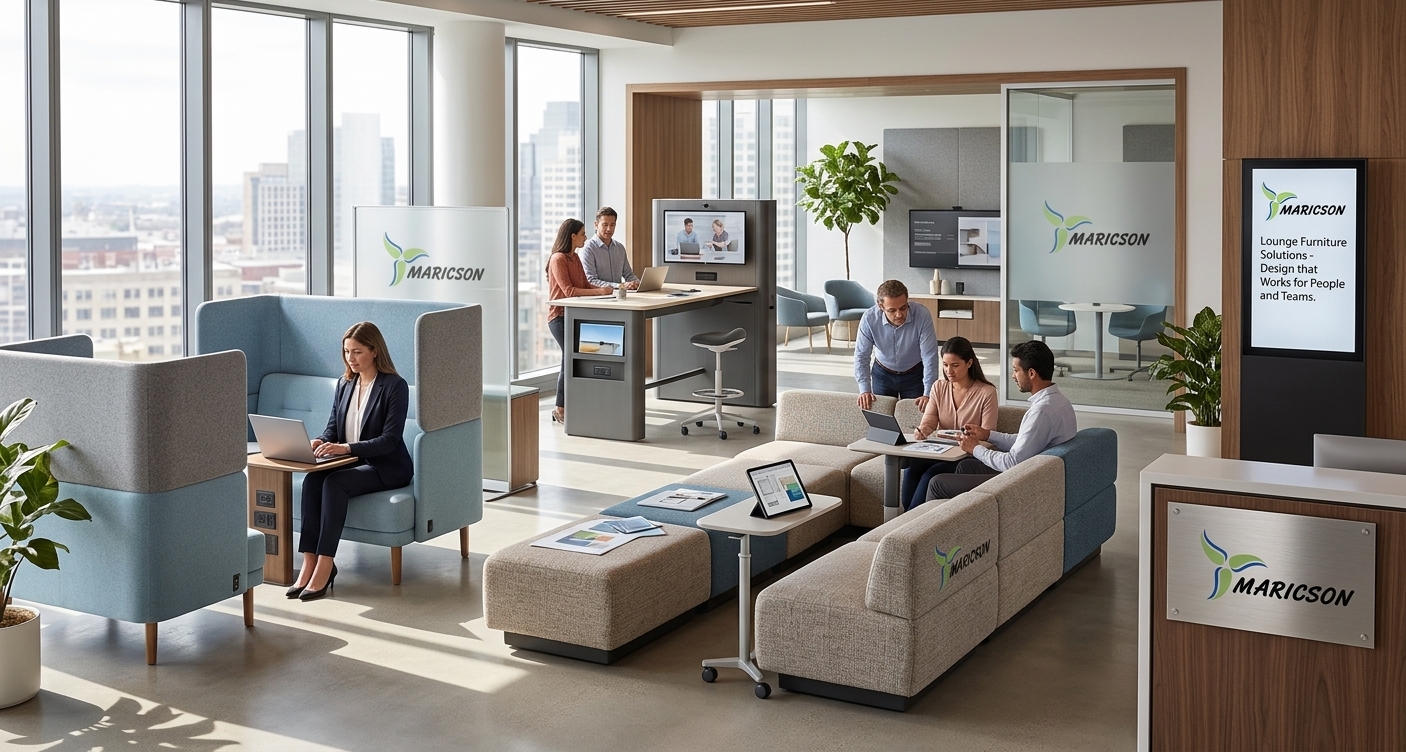
A lounge area says a lot about how a company works before anyone reaches a meeting room. If the space feels improvised, worn, or disconnected from the rest of the office, visitors notice it and employees do too. Strong office lounge furniture solutions help businesses create informal spaces that still meet commercial standards for durability, comfort, and operational use.
For procurement teams and facility managers, lounge furniture is rarely a decorative add-on. It often needs to serve several functions at once: reception overflow, casual collaboration, waiting space, breakout seating, and quiet touch-down use. That is why selection should start with performance requirements, not just appearance.
In a commercial setting, lounge furniture has to do more than look current. It should support the zone's purpose, match the traffic level, and align with the broader workplace layout. A startup outfitting a compact office may need modular seating that can adapt as teams grow. A corporate headquarters may need multiple lounge formats across reception, executive areas, and open collaboration zones. The right answer depends on how the space will be used every day.
This is where many buying decisions go off track. Businesses often choose lounge pieces based on a showroom impression, then realize the seat depth is too relaxed for short meetings, the upholstery is difficult to maintain, or the arrangement limits movement. Office lounge furniture solutions work best when they are specified with the same discipline applied to desks, task chairs, and conference furniture.
A lounge area should begin with a defined use case. If it sits near reception, seating should support a polished first impression and shorter dwell times. If it is designed for internal collaboration, the furniture may need more flexibility, integrated tables, and a mix of upright and relaxed seating positions. If it supports executive waiting or client hospitality, materials and detailing may carry more visual weight.
The footprint size matters just as much as the function. Oversized lounge seating in a limited floor plan can make a space feel congested and disrupt circulation. On the other hand, underscaled seating in a large lobby can look temporary and fail to anchor the room. Commercial buyers benefit from working with plans, traffic paths, and occupancy needs before selecting individual products.
In many projects, a mixed layout performs better than a single furniture type repeated across the area. A combination of sofas, lounge chairs, modular units, and coffee or side tables can support different users without making the space feel inconsistent. The key is cohesion in finish, form, and proportion.
Most lounge projects are built from a few core categories, but each category serves a different operational purpose. Sofas help define longer-stay seating areas and create a more grounded visual structure. Lounge chairs add flexibility and can increase seating density without making the layout rigid. Modular seating is useful when teams want the option to reconfigure zones as usage changes.
Tables are equally important. Low tables support informal waiting and hospitality, while side tables add practical surface space for laptops, notebooks, and beverages. In some cases, integrated power access becomes a priority, especially in hybrid workplaces where staff use lounge areas as temporary work points.
Occasional pieces such as ottomans, benches, and divider-backed seating can also improve functionality. They are not always necessary, and in some projects they add complexity without much return. But in larger commercial environments, these pieces can help define sub-zones and improve the way people move through open spaces.
Commercial lounge furniture is expected to absorb daily use without losing its appearance too quickly. That makes material selection a practical decision, not just a design one. Upholstery should be selected based on cleaning requirements, abrasion resistance, and the type of traffic the space receives. A client-facing waiting area may need a refined finish, but it still has to hold up under repeated use.
Frames and internal construction deserve the same attention. In high-traffic offices, weak joinery, low-density foam, or residential-grade components can create replacement issues much sooner than expected. The better approach is to specify lounge furniture built for commercial environments, with stable construction, quality cushioning, and finishes suited to long-term use.
There is always a trade-off between softness and structure. Very plush seating may look inviting, but it is not always ideal for quick meetings or formal waiting areas. More supportive seating can be better for posture and easier ingress and egress, especially in spaces used by a wide range of visitors and staff. The right balance depends on the business setting.
Standard products can work well, but many office projects need more than catalog dimensions. Lounge zones often have awkward footprints, brand-specific finish requirements, or the need to coordinate with existing workstation and reception furniture. Customization helps buyers solve these issues without forcing the space to conform to a fixed product range.
Size adjustments can improve circulation and seating capacity. Material and color options help maintain visual consistency across departments or locations. In large procurement programs, customization also supports brand standards, especially when businesses want a common design language across multiple offices.
For distributors and project coordinators, this flexibility matters because it reduces compromise. A supplier that can adapt upholstery, dimensions, layout configurations, and finish details is often easier to work with than one that offers a broad selection but limited specification control. Maricson approaches lounge furnishing as part of a complete workspace solution, which is often what commercial buyers need when multiple furniture categories must work together.
Lounge furniture should not feel detached from the office around it. Even when the space is designed to be softer or more relaxed than the main workstation area, it still needs to belong to the same environment. This is often achieved through consistent materials, complementary color palettes, and proportional alignment with surrounding furniture systems.
Coordination also matters operationally. A lounge area next to workstations may need acoustic consideration. A reception-adjacent zone may need easier-to-clean surfaces and a stronger visual presentation. A breakout area near meeting rooms may benefit from mobile seating or tables that support brief team discussions. Good office lounge furniture solutions recognize these differences instead of applying one formula across every zone.
This is especially relevant for companies furnishing larger offices or multiple sites. A cohesive specification approach can simplify procurement, installation planning, and future expansion. It also helps businesses maintain a more professional and deliberate workplace image.
Commercial furniture decisions are shaped by more than product appearance. Lead times, quotation accuracy, customization capacity, packaging quality, installation coordination, and shipping support all affect project outcomes. A well-designed lounge collection is only useful if it can be delivered reliably and integrated into the broader furnishing schedule.
For international buyers, export capability is another major factor. Documentation, packaging methods, container planning, and communication during production and shipment can make a significant difference. For domestic projects, the focus may shift toward delivery sequencing and on-site installation support, especially when offices are furnished in phases.
This is why many businesses prefer to work with a supplier that can support the whole project rather than only provide isolated pieces. When lounge furniture is sourced alongside desks, seating, reception, and storage, the result is usually more consistent and easier to manage.
Price always matters, but low initial cost can become expensive if the furniture underperforms, arrives with inconsistencies, or needs early replacement. Long-term value comes from the fit between product specification and actual use. A better-built chair in the right upholstery may outperform a cheaper option for years. A modular system that adapts to future layout changes may reduce the need for replacement when teams expand.
The smartest buying decisions tend to balance visual quality, user comfort, maintenance expectations, and project logistics. That balance will look different for every business. A visitor lounge in a law office will not require the same setup as a collaborative hub in a technology company. What matters is that the furniture serves the space, the brand, and the operating reality.
When lounge areas are specified with that level of intent, they stop being leftover square footage filled at the end of a project. They become practical, brand-aligned spaces that support how people wait, meet, recharge, and interact throughout the workday. That is where office lounge furniture starts delivering real business value.
Quick answers to the questions customers ask most often.